Gnocchi · Filled pasta
Gnocchi a sorpresa: potato gnocchi with a fish filling
Potatoes from the mountains and fish from the sea
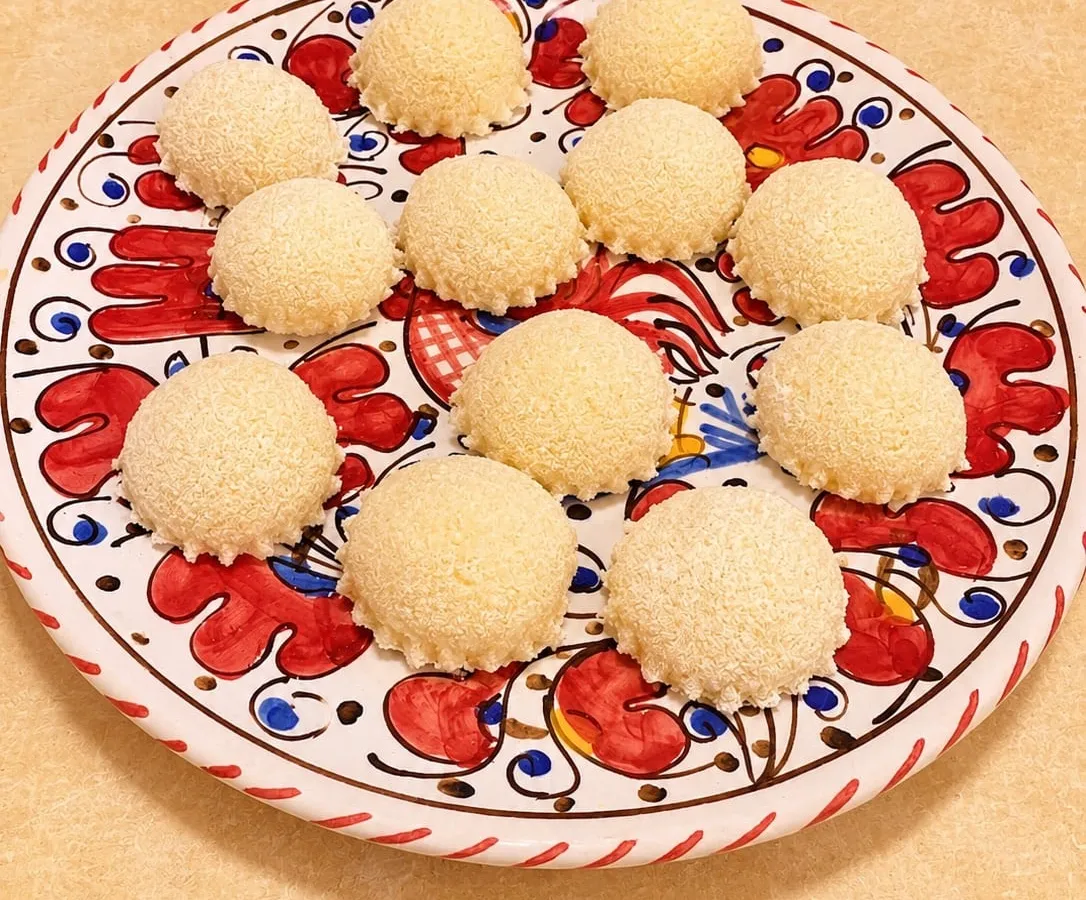
Gnocchi are among the oldest kinds of pasta. Doughs of flour or semolina boiled as little balls or morsels are found as far back as the Roman and medieval world. For centuries they were made with flour, semolina, stale bread and eggs; then, in the Renaissance, recipe books also show versions with cheese and spices. With the arrival of potatoes from the Americas, and their spread into everyday cooking, the potato gnocchi we know today were born, the ones in our recipe for potato gnocchi.
Gnocchi with a filling
Filled gnocchi have no single origin: they are rather a parallel evolution that, in various regional and family kitchens, brings the idea of filled pasta together with that of gnocchi. Here the potato dough is not cut into pieces: it is rolled out like a sheet, filled and closed with a cutter, as you do with ravioli. The result is small soft domes with a surprise inside.
A recipe of today
There is no old, codified recipe for gnocchi meeting seaside cooking: the ones you find are mostly contemporary restaurant creations. This one too is our own, bringing together potatoes from the mountains and fish from the coast.
The right fish
Gnocchi and fish go well together, but a few precautions are needed. For the filling you can use whichever fish you like, as long as it is cold, dry and well bound. And how you cook it is very important:
- langoustines and prawns should boil for a couple of minutes at most and then be drained;
- fish fillets go into water that is already boiling, then the heat is turned off and the pan covered with a lid: after 20 minutes the fish is cooked and, above all, tender. It is the same method we use for the sea bass cappellacci in a tuxedo.
Ingredients
For the dough
For the filling
To dress
Tick the ingredients as you go. Amounts adapt to the number of servings.
Method
-
The dough
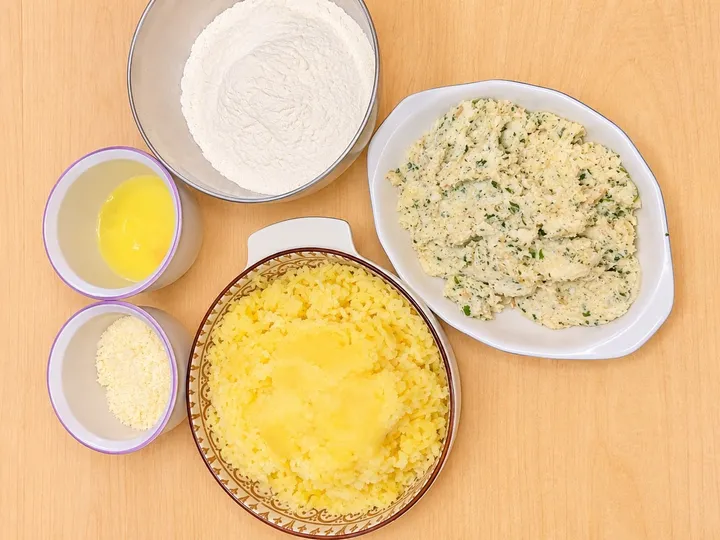
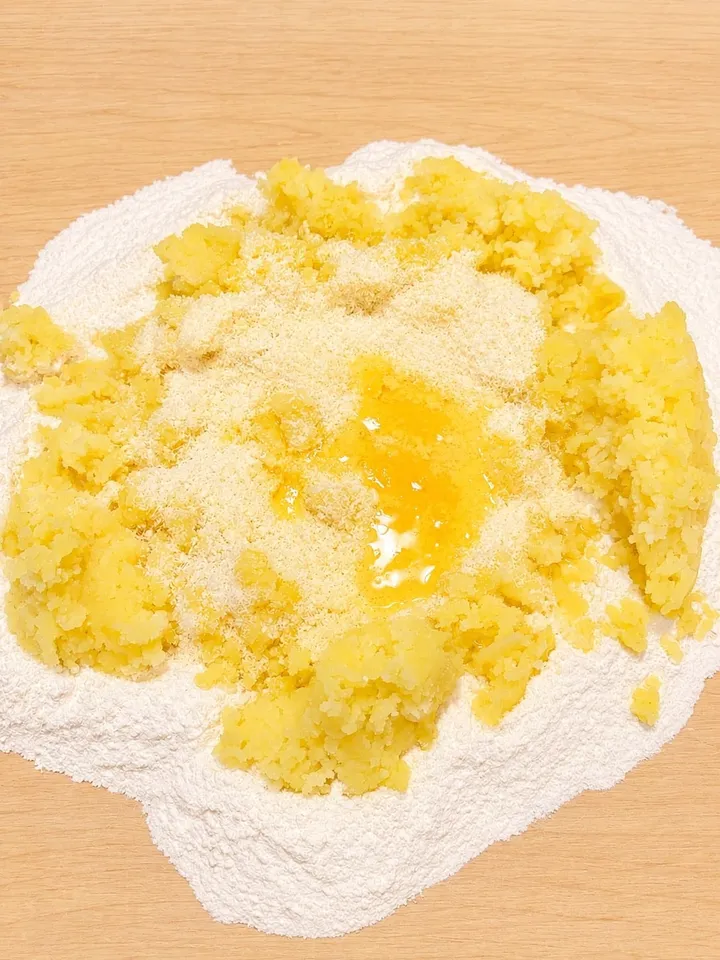
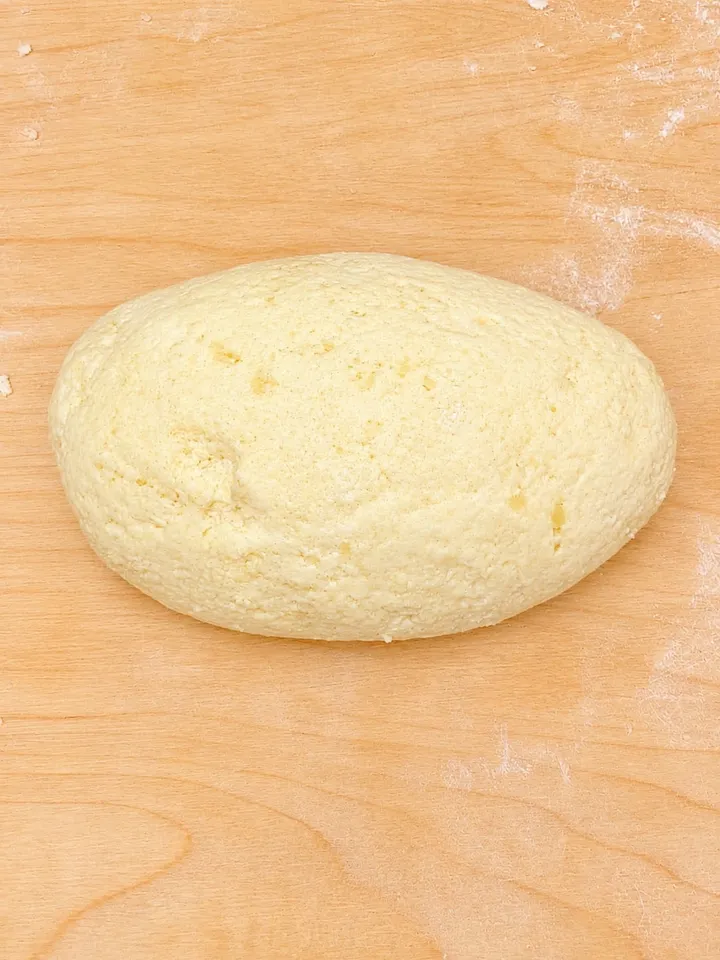
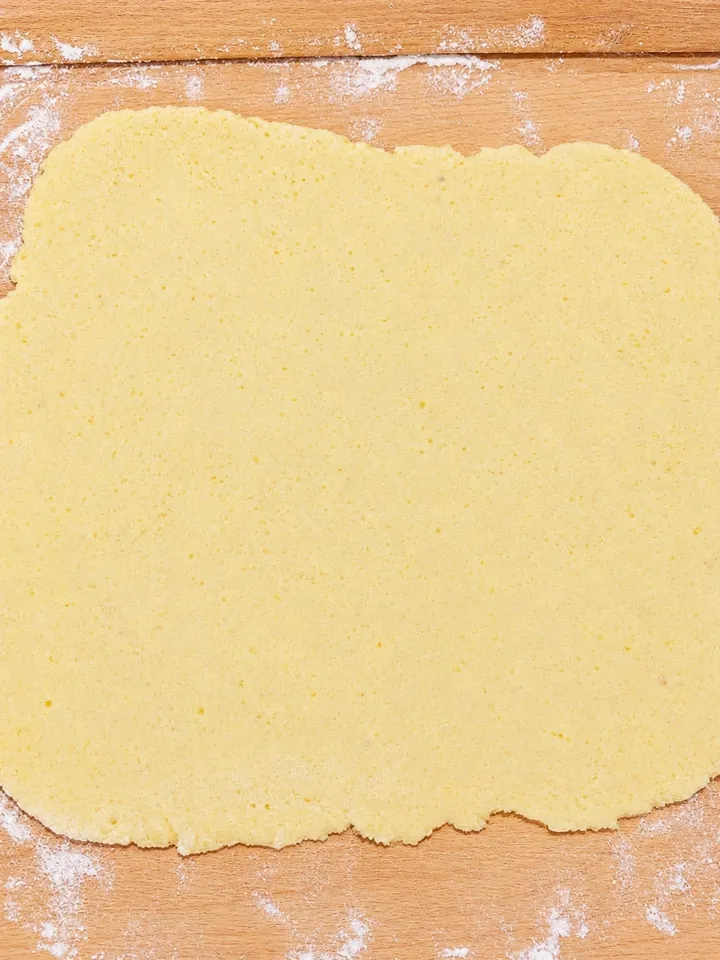
Boil the potatoes in their skins, let them cool completely, then peel them and put them through a ricer with small holes. On the board make a well with the flour, add the potatoes, the egg whites and the Parmesan and knead everything together: the dough will be slightly sticky, but workable.
-
The filling
Poach the fish you have chosen and put the flesh in a bowl. The prawns should be blanched for a couple of minutes at most, or they turn tough; then chop them finely with a knife, or with a food processor if you prefer. Add the prawns to the fish, add the oil, salt, pepper and parsley and work with a fork until creamy and even. Put it in the fridge.
-
Rolling and filling
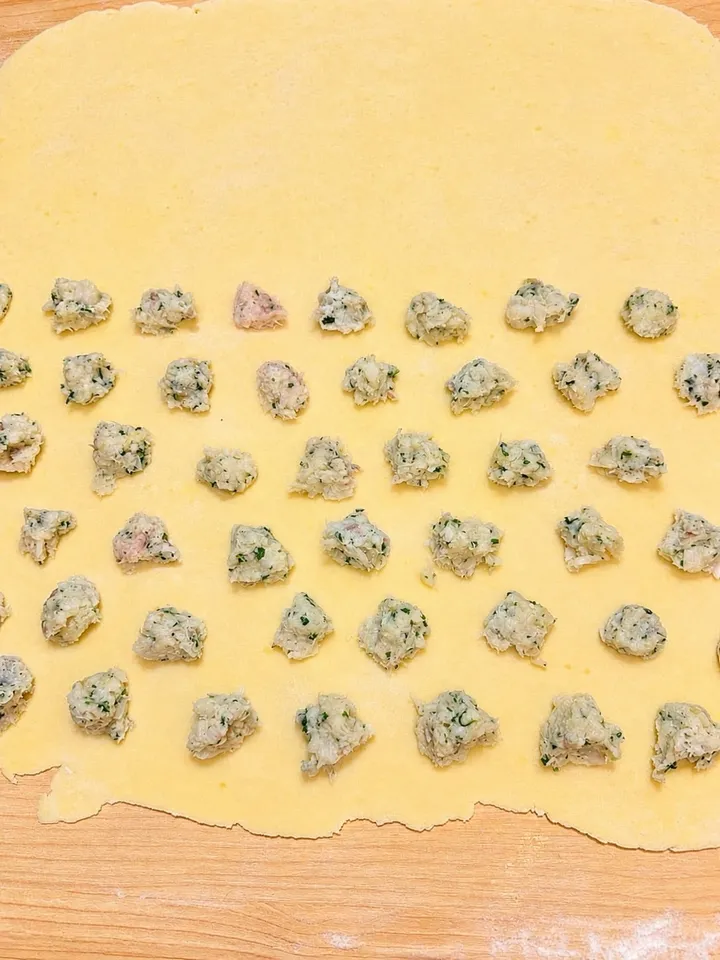
Divide the dough into three pieces and roll them out one at a time with the rolling pin on a well-floured board. Use the rolling pin to press the dough and to turn the potato sheet, but do not roll it up like an ordinary sfoglia, or it will stick to the pin. Carry on until the sheet is about 4 to 5 millimetres thick. On one half of the sheet place small mounds of filling, a little less than a hazelnut, then fold the other half over and cut out the gnocchi with a cutter about 5 centimetres across. Keep a small heap of flour nearby to dip the cutter in between cuts. Lay the gnocchi on a tray lined with baking paper and well floured.
-
Cooking and dressing
Drop the gnocchi into plenty of salted water and let them simmer gently: the usual rule applies, when they float they are done. Lift them out with a spider strainer and toss them in a pan for a couple of minutes with the oil and the cooking water, without stirring, just shaking the pan. Turn off the heat, add a little grated lemon zest and sprinkle with parsley and white pepper.
-
Serving
Serve at once, on warm plates.
Frequently asked questions
Which fish can I use for the filling?
Whatever you like: for example salmon, salmon and prawns, sea bass, sea bream, sole and even, why not, creamed salt cod.
How do you cook the fish fillets for the filling?
They go into water that is already boiling, then the heat is turned off and the pan covered with a lid: after 20 minutes the fish is cooked and, above all, tender. Prawns and langoustines, on the other hand, boil for a couple of minutes at most and are drained straight away.
How do I know when surprise gnocchi are cooked?
The rule for all gnocchi applies: when they float they are ready. The water should simmer gently, without a fierce boil that would make them open.
Keep kneading
Similar recipes
 Cappellacci
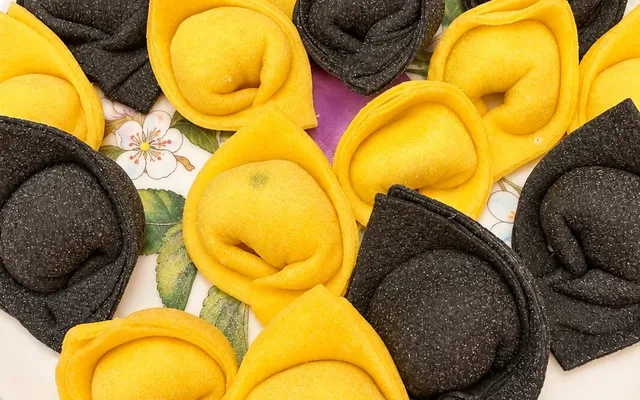
Sea bass cappellacci in a tuxedo
Fish-filled pasta in evening dress
 Gnocchi
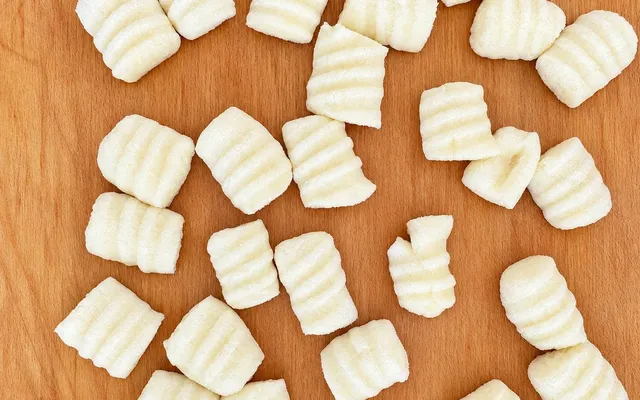
Potato gnocchi with butter and sage
Thursday is gnocchi day
 Pasta rolls
Salame del Poeta
Pasta cooked inside a tea towel