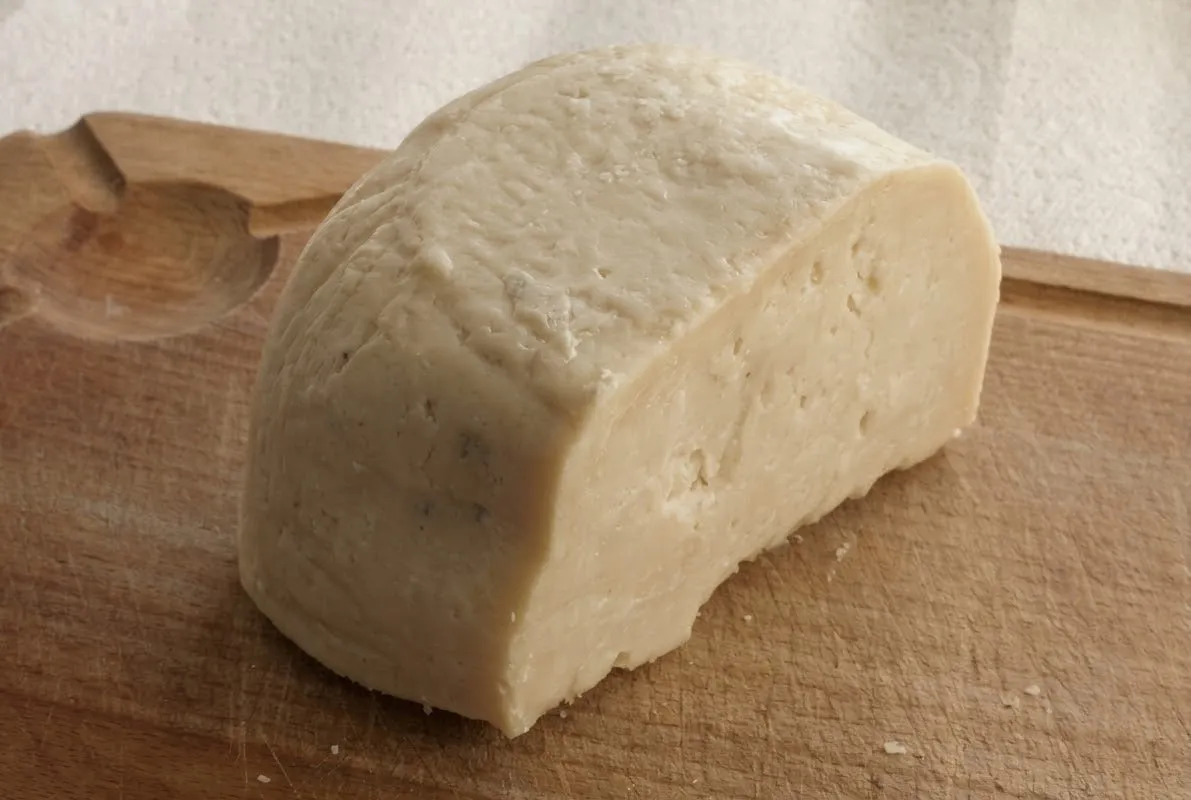
Some cheeses mature in a cellar, others in modern stores where machines control temperature and humidity, and others again wait in a hole dug into the rock. There is one cheese that, before it reaches the table, spends three months in the dark, buried in a pit in the tufa. It has been happening for centuries between Romagna and the Marche, and it is formaggio di fossa, pit cheese. Its story begins, like many Romagna stories, with a mix of necessity and luck.
A story born of hiding
The story goes that in the Middle Ages, around Sogliano al Rubicone, Talamello and the lands of the Malatesta, farmers hid their stores in pits they dug or in natural hollows underground. They had to save them from sieges, raids and famine, and also from the sharecropping agreements that left little or nothing to those who worked the land. Precisely because farmers used whatever they had, then as now the cheese could be sheep’s milk, cow’s milk or a mix.
The cheeses went into pits dug in the tufa, covered with straw and left there in the dark. When they were brought back to the light they had changed: instead of going mouldy they had taken on a completely new texture and aroma. Rind and paste merge into one, the colour runs from ivory to amber, and the aroma recalls mould, truffle and undergrowth. On the palate it starts almost sweet, then turns bold and sharp, with a grassy finish: quite simply surprising.
In the kitchen it deserves respect: it is a seasoning, an ingredient, not a table cheese. A little grated into fillings and doughs adds flavour and character. On a piadina with squacquerone it is already a small ceremony. Honey and jams soften it, while a well-aged Sangiovese di Romagna stands up to it.
The ritual of the pits
Today formaggio di fossa is a PDO product and so has precise production rules, but the ritual has stayed the same.
At the beginning of August the cheeses are closed in cloth sacks and lowered into the pits, then each pit is sealed with wooden boards and the wait begins: usually 80 to 100 days.
On the morning of 25 November, St Catherine’s day, the pits are opened in Sogliano. The boards are lifted, the sacks are brought out and the celebration begins, with a fair that draws thousands of people: you will find it in our festival calendar too.
In the kitchen
Fossa is a cheese with a strong character: you have to get to know it and use it sparingly, or it can even taste unpleasant. A few ideas, with fresh pasta in mind:
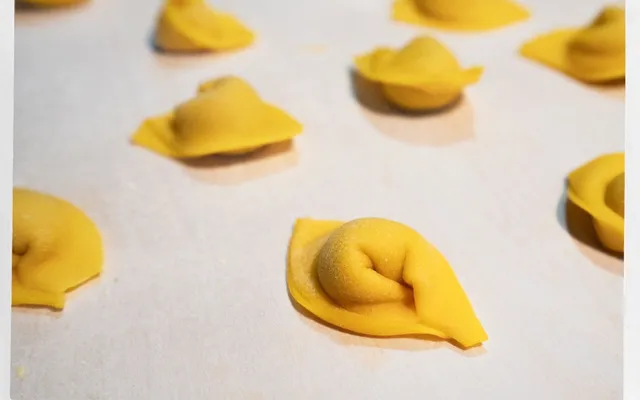
- Pear and fossa ravioli or tortelli. The sweetness of the pear and the full flavour of the cheese balance each other.
- Tagliatelle with fossa cream. Melt the cheese over a low heat with a little cream or milk and dress the tagliatelle just before serving. You can finish with chopped walnuts.
- Cappelletti or other fillings. A little grated fossa in the filling of cappelletti adds depth, but go easy with it.
- Passatelli. Replacing 10% of the Parmesan with fossa makes tastier passatelli, especially when they are served dry rather than in broth.
- On a piadina, with rocket or squacquerone, it remains one of the most Romagna of combinations.
Fossa is a cheese that tells the story of a land: poor, resourceful, able to turn a hiding place into a speciality.
Among our recipes you will find saltafossi, a pairing of our own in honour of autumn and of formaggio di fossa.
Frequently asked questions
What is formaggio di fossa?
It is a cheese, made from sheep's milk, cow's milk or a mix, that matures for about three months in cloth sacks inside pits dug into the tufa, between Romagna and the Marche. In the dark it takes on a texture and aroma all its own, recalling mould, truffle and undergrowth. Today it is a PDO product.
When are the pits opened?
The cheeses are lowered into the pits at the beginning of August and usually stay there for 80 to 100 days. On the morning of 25 November, St Catherine's day, the pits are opened in Sogliano al Rubicone and the fair begins.
How do you use formaggio di fossa in cooking?
As a seasoning more than a table cheese: grated into fillings and doughs, melted into a cream for tagliatelle, on piadina with squacquerone or rocket. It has a strong character and must be used sparingly: in passatelli, for example, replacing 10% of the Parmesan is enough.