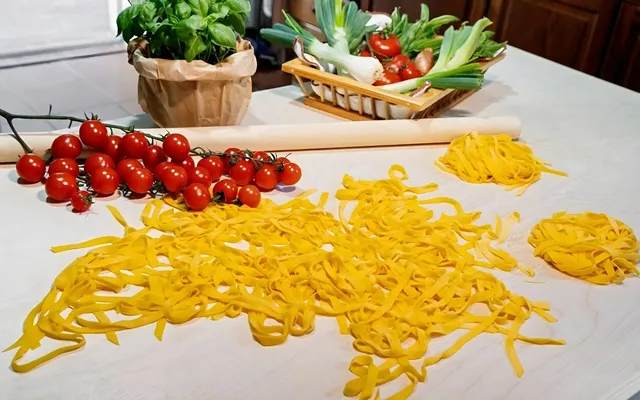
In recent years fresh pasta has gone through a few changes, down to the inventiveness of the chefs of the moment, but the colour of pasta is not just a question of looks. With the colour come changes in flavour, in cooking and in how it pairs with sauces. The colour of fresh pasta is more than an outfit.
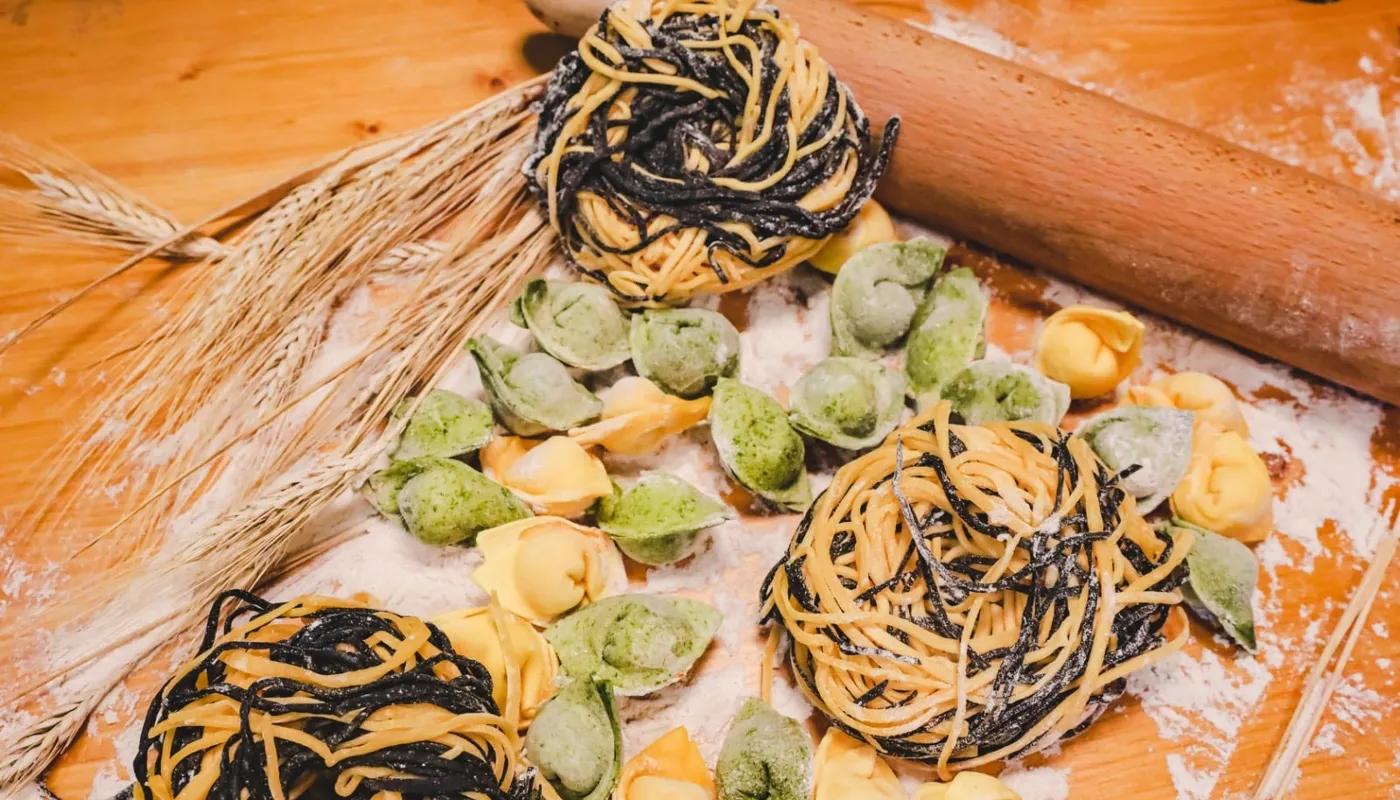
Green tagliatelle, pink tortelli, black spaghetti: at first sight they look like a whim for social media photos; in fact every pigment comes into the kitchen together with a vegetable, a spice or something from the sea, and brings with it water, fibre, aromas and sensitivity to heat. Anyone who makes the sfoglia at home notices it with the first batch of dough. Let us see what really happens.
What changes in the dough
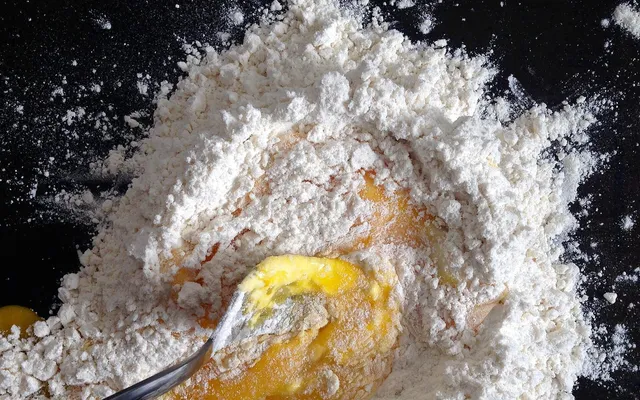
When you add a vegetable to the dough, the moisture changes before the colour does. Spinach, chard, nettles or beetroot all release water: they must be squeezed well, or the sheet turns sticky and has to be corrected with more flour.
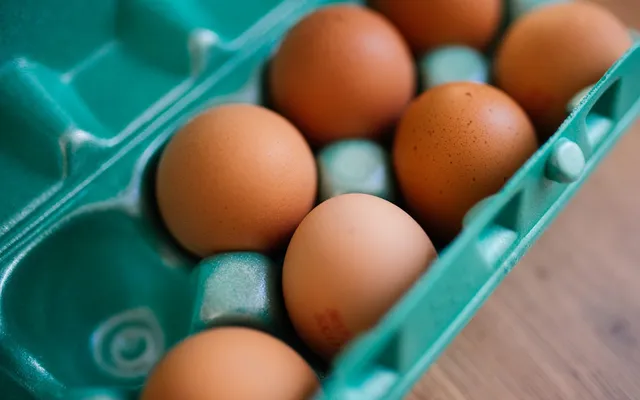
The structure changes too. Fibre and bits of vegetable break up the gluten network, so the pasta is less elastic and more fragile when you roll it thin, all the more if you use it for filled pasta. The practical advice is to blend the vegetable to a very fine purée, squeeze it in a tea towel and make a first dough with only a little extra flour, adding more only if needed. If you want bright colours, do not use «yellow yolk» eggs, or the colour of the yolk will dull the brightness of the added colour. For the starting amounts, follow the guide to the basic pasta dough.
The flavour of colours
Every colour has a taste, even when it is discreet. What matters is knowing what you are adding.
| Colour | Ingredient | What it brings to the table | Amount per 100 g of flour |
|---|---|---|---|
| Green | Spinach or nettles (chard is not recommended, it is too watery) | A light vegetable note, almost neutral | 100 g of blended, squeezed greens |
| Bright pink | Beetroot | Earthy sweetness | 80 g of cooked beetroot, blended and well dried |
| Yellow | Saffron | The aroma of saffron | ½ sachet (0.06 g) |
| Black | Squid ink | A savoury taste of the sea | 2.5 g |
| Red-orange | Tomato paste | Acidity and sweetness | 15 g |
Cooking and how stable the pigments are
The colour you see on the raw sheet is not the one that reaches the plate. Natural pigments react to heat, water and acidity.
- Chlorophyll (greens): when cooked it tends to turn a dull olive green. Cook briefly and drain at once.
- Beetroot: part of the colour runs into the cooking water and the pink fades. Use plenty of water only if you need to, and do not cook any longer than necessary.
- Anthocyanins (red cabbage and the like): they change shade with pH, so an acidic sauce can transform the colour.
- Squid ink: the most stable of all, which is why it copes well even with slightly longer cooking.
Fresh pasta cooks in a few minutes, so the damage is limited, but it is worth bearing in mind for filled pasta and for sauces that go into the pan together with the pasta.
The myth of healthier pasta
Coloured pasta is not more nutritious: in most recipes the vegetable is a small fraction of the dough, so the vitamins, iron or fibre it adds are modest, and some of the nutrients are lost in cooking.
The real advantage is something else: variety, flavour and the pleasure of eating. Saying that the spinach in the sheet «is good for you» like a plate of spinach is far from true.
Pairings: the colour announces the flavour
A well-chosen colour tells the person at the table what they are about to eat. A few pairings that work:
- Green: ricotta fillings, all kinds of cheese, butter and sage, white ragù.
- Beetroot red: gorgonzola, poppy seeds, melted butter.
- Black: shellfish, fish, a drizzle of oil and lemon.
- Saffron yellow: butter, mushrooms, white meats.
Colouring pasta makes sense when the colour adds something to the dish, not when it is mere decoration. Sometimes a change in the dough creates just the right harmony between the pasta and the sauce beside it, and then it is not only a question of looks.
Practical tips
- With spinach, beetroot or tomato the dough gets wetter. Squeeze and dry the vegetable well, kitchen paper helps. Add a little flour if needed.
- Blend the vegetable to a smooth cream, so the colour spreads evenly and no strings are left.
- Dissolve saffron and squid ink in a spoonful of warm water before adding them to the flour.
- Colours deepen a little after resting. Let the dough rest for 30 minutes, covered.
- Green and red fade when cooked, so cook briefly and drain at once.
- Do not use «yellow yolk» eggs, or the colours will come out dull.
Frequently asked questions
How much greens do you need for green pasta?
For green pasta use spinach or nettles: 100 grams of blended, squeezed greens for every 100 grams of flour. Chard is not recommended because it holds too much water.
Why does coloured pasta lose its colour when cooked?
Because natural pigments react to heat, water and acidity: the green of chlorophyll turns a dull olive green and part of the pink of beetroot runs into the water. Squid ink is the most stable. Cook briefly and drain at once.
Is spinach pasta healthier than egg pasta?
No. In most recipes the vegetable is a small fraction of the dough, so the vitamins, iron or fibre it adds are modest, and some nutrients are lost in cooking. The real advantage is variety, flavour and the pleasure of eating.